

What to Consider When Choosing the Best Dryer Vent Hose for Tight Spaces
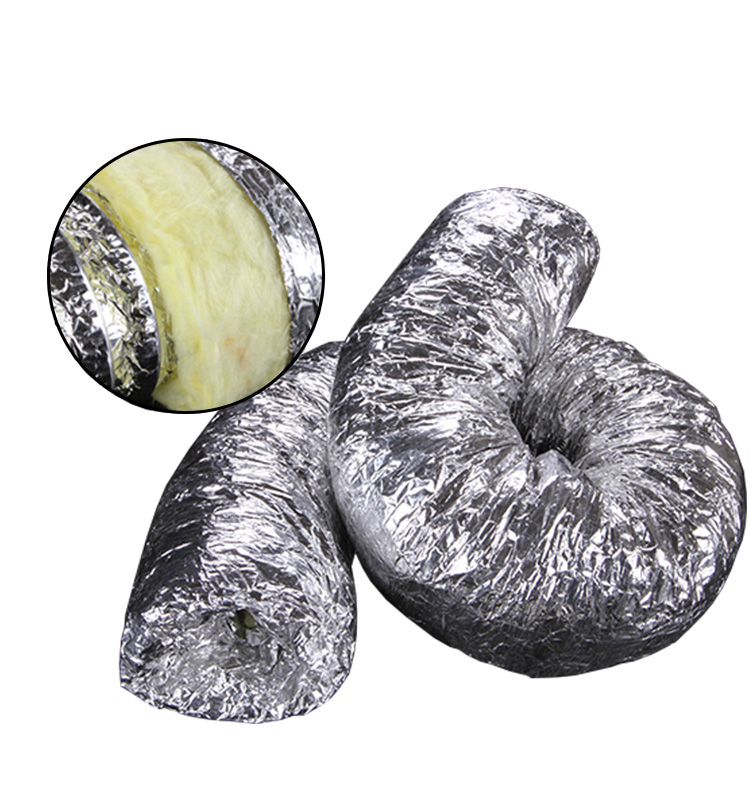
There are a number of dryer vent hoses on the market. As you shop, consider the type and size of each hose, whether it`s UL certified, the connectors or other accessories that come with the hose, the path the hose will take in your home, and the installation process.
Type
Before you begin shopping for a new dryer vent hose, you`ll need to decide on a hose type. Dryer vent hoses are available in several types, including:
- Aluminum foil: Aluminum foil dryer vent hoses have a flexible design and are between 1 and 8 feet long. Their flexible design is easy to route between the dryer and the exit-no elbow connector pieces needed. Aluminum foil dryer vent hoses should only be used for transition ducts and should not be used for concealed ducts inside of walls or other areas. Aluminum foil hoses are typically heat resistant up to 150 degrees Fahrenheit and are usually inexpensive.
- Semi-rigid metal: Semi-rigid dryer vent hoses, as the name implies, have a more rigid structure than their aluminum counterparts. Thanks to their rigid design, elbow connectors are needed when a bend in the dryer vent is necessary to complete the path to the exit or another duct. This material should also only be used for transition ducts, not inside walls. Semi-rigid hoses have a smoother interior than aluminum foil, plastic, or vinyl ducts, which means they catch less lint to lessen the chance of a fire. However, this material choice is often more expensive than aluminum foil, plastic, or vinyl hoses. Semi-rigid ducts can resist temperatures up to 400 degrees Fahrenheit and are the preferred choice of many dryer manufacturers.
- Rigid metal: Rigid metal ducts are the only type of dryer vent hose that`s allowed to be concealed within a wall. These ducts, which are made from either aluminum or galvanized steel, cannot be bent, unlike hoses made from other materials. Their design provides a smooth interior that allows for maximum airflow and does not trap lint. Elbow joints are required to accommodate turns in the path. These ducts are heat resistant up to 400 degrees Fahrenheit.
- Plastic or vinyl: Plastic or vinyl dryer vent hoses are not recommended, and most building codes do not allow them. They offer a flexible design, similar to an aluminum foil hose. However, the textured interior of these hoses traps lint, which creates a fire hazard. Most models can resist temperatures up to 140 degrees Fahrenheit.
Size and Compatibility
Next, determine what size dryer vent hose you will need for your dryer. Determine the path the hose will need to take to get from the base of the dryer to the exit point or other ductwork and measure to determine how much length is necessary to cover this path. In addition to its length, consider its diameter. Most dryers require a hose with a 4-inch diameter. To ensure you`re choosing the right hose, double-check the information provided by the dryer manufacturer.
You`ll also need to confirm that the dryer vent hose is compatible with your dryer. Most hoses will work with gas and electric dryers, but it`s best to check with the manufacturer`s specifications before making a purchase.
UL Certification
Some dryer vent hoses are UL listed. UL, which stands for Underwriter Laboratories, offers third-party certification to identify products that meet more stringent criteria, making UL-listed options the safest choice for a dryer vent hose. UL-listed transition hoses meet the following criteria:
- They must not pass through any walls, floors, or other concealed spaces.
- Transition ducts cannot have a length that`s longer than 8 feet.
- Transition ducts must be one single length; multiple sections cannot be connected together.
Connectors
Connectors may be required to properly attach a dryer vent hose to a dryer. Most dryer vent hoses will include a connector or clamps, while others may not. If these accessories are included with the hose you`d like to purchase, confirm their compatibility with your dryer before making your final decision.
Accessories
A dryer vent hose may come with one or more accessories, which may include:
- Recessed dryer vent box: A recessed dryer vent box can be mounted onto the wall to save space. This box protects the duct from being crushed and minimizes lint buildup.
- Vent hood: A dryer vent hood includes a rigid duct that goes through the exterior wall with a wide hood to allow hot air to escape. Many models also include removable grates to keep mice away.
- Floating shuffle cover: A floating shuffle cover is basically a dryer vent air seal; it moves up (or opens) whenever the dryer is on, allowing hot air, lint, and moisture to escape. When the dryer isn`t in use, this cover stays closed to prevent pests and rodents from entering.
- Louvered cover: Louvered covers are designed with flaps that allow air to escape from a dryer vent, while also ensuring the vent remains covered when the dryer is not operating. This helps to keep wind, rain, or snow from getting in. Unlike a floating shuffle cover, flapper covers are known for being hard to clean and may freeze open in the winter.
Dryer Vent Path
The dryer vent path may also play a role in determining which dryer vent hose is best for your laundry room. In addition to finding out the total hose length you`ll need, you should also consider if the hose will need to make any turns as it runs from the base of the dryer to the exit point in the space.
Look for the shortest path possible with the fewest number of turns. Longer paths and multiple turns in the hose can increase the risk of lint getting trapped, creating a potential fire hazard. If your path requires turns, consider choosing a semi-rigid dryer vent hose and using elbow connectors to ensure smooth turns that will be less likely to trap lint than a sagging flexible hose.
Installation
Finally, consider how easy or difficult the dryer vent installation will be with each option. Many dryer vent hoses come with screw-on clamps to secure the hose to the dryer and the other ductwork. Others feature snap-on connectors that may simplify the process even further.
If a long dryer vent path is necessary, consider whether you`ll need to purchase elbow connectors to allow for smoother turns in the hose.
Our Top Picks
Read on to discover some of the best dryer vent hoses for tight spaces, according to the shopping considerations outlined above. A mix of dryer vent sizes and types are featured to ensure there`s a vent for every laundry room, no matter the size.
Of course, in addition to Flexible Duct Connector, we also produce other Ducting Accessories, such as Jubilee Clamp, Pipe Clamp, Semi Rigid Ducting, etc. If you have this demand, Welcome to contact us at any time, we will provide you with high quality products and first-class service!